





A payroll card in the UAE lets employees receive their monthly salaries without opening a traditional bank account. Employers transfer wages through authorised banks, exchange houses or financial institutions that support the UAE Wage Protection System (WPS). Employees can then withdraw cash, shop at participating stores and use other services supported by their cards.
Several providers offer payroll cards in the UAE, including FAB Ratibi, Emirates NBD Salary Prepay and Al Ansari PayPlus. Each card has different features, eligibility requirements,s and transaction fees. Knowing these differences can help employees choose the option that suits their needs.
What Is a Payroll Card in the UAE?
A payroll card in the UAE is a prepaid payment card that employers use to deposit employees’ monthly salaries. It gives workers another way to receive their wages without using a regular bank account.
Employees can withdraw cash from supported ATMs and pay at participating shops. Depending on the provider, a card may also support online shopping, international transactions, and money transfers.
How Does a Payroll Card Work?
The employer chooses an approved payroll service provider and registers the company for salary payments. Employees then submit the required identification details so the provider can arrange their cards.
The process usually follows these steps:
- The employer chooses a bank or exchange house.
- The company registers for its payroll service.
- Employees provide the required documents.
- The provider issues the payroll cards.
- The employer submits monthly salary information.
- The provider transfers wages to employees’ cards.
The exact process depends on the employer’s payroll arrangement and the card provider.
Payroll Card vs Debit Card
Both cards allow cash withdrawals and electronic payments, but they serve different purposes.
| Feature | Payroll Card | Debit Card |
| Main purpose | Receiving salary | Accessing bank funds |
| Bank account | Not always required | Required |
| Salary deposit | Employer transfers wages | Salary enters bank account |
| ATM withdrawal | Supported ATMs | Supported ATMs |
| Online payments | Depends on provider | Depends on bank |
| Monthly charges | Depends on provider | Depends on bank |
How Does the UAE Wages Protection System (WPS) Work?
The Wages Protection System (WPS) is an electronic salary payment system that helps UAE authorities monitor employee wage payments. It allows participating employers to transfer salaries through approved banks, exchange houses, and financial institutions.
Eligible payroll cards give employees one way to receive their wages through this system.
How Do Employers Transfer Salaries Through WPS?
Employers usually work with an approved financial institution to process monthly wages. The company prepares a Salary Information File (SIF) containing the required employee and salary details.
The employer submits this file through the provider’s approved system. Once the provider processes the payment, it transfers salaries to employees through their registered payment methods.
WPS keeps electronic salary records and helps businesses manage wage payments.
Is a Payroll Card Mandatory in the UAE?
No. UAE employees do not have to use a payroll card. It is simply one of the available ways to receive wages through an approved payment arrangement.
Employers can also use eligible bank accounts and other authorised payment channels. However, businesses covered by WPS must follow the applicable salary payment requirements.
Best Payroll Cards in the UAE
Several banks and exchange houses offer payroll services to UAE businesses. Their cards differ in ATM access, payment options, and transaction fees.
Here are four providers worth comparing.
FAB Ratibi Prepaid Card
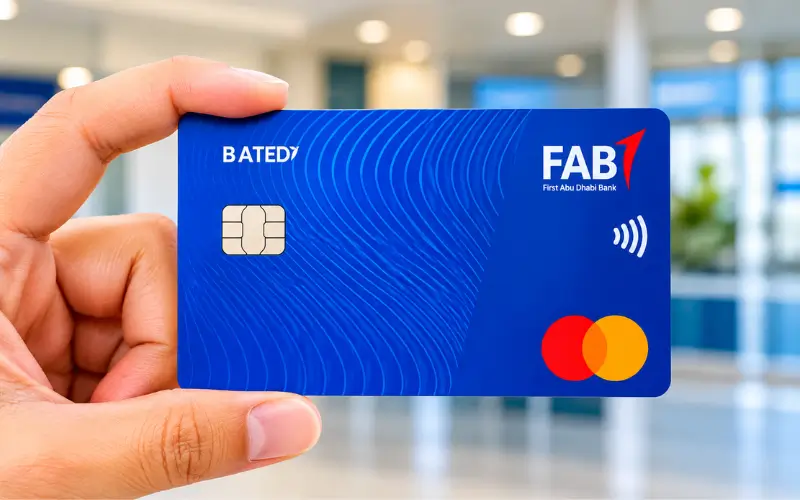
First Abu Dhabi Bank (FAB) offers the Ratibi Prepaid Card to eligible employees who earn up to AED 5,000. It allows workers to receive their salaries without opening a traditional bank account.
Its main features include:
- No minimum balance requirement.
- No monthly cardholder charges under FAB’s published terms.
- Salary credit notifications.
- ATM cash withdrawals.
- Supported online and in-store payments.
Employers can arrange the service through an eligible corporate banking arrangement.
Emirates NBD Salary Prepay Card
Emirates NBD offers the Salary Prepay Card to eligible corporate employees earning up to AED 5,000. It gives workers another way to receive their salaries without opening a traditional bank account.
Key features include:
- Salary deposits through an eligible payroll arrangement.
- ATM cash withdrawals.
- Purchases at supported payment outlets.
- Balance enquiries through available channels.
- Customer support for cardholders.
The employer usually arranges the card through its corporate payroll service.
Al Ansari Exchange PayPlus Card
Al Ansari Exchange offers PayPlus as a payroll solution for employees whose companies use its services. Cardholders can access their wages through supported exchange houses and payment facilities.
Main features include:
- Cash withdrawals at eligible Al Ansari Exchange branches.
- ATM withdrawals where supported.
- Online and in-store purchases, depending on card settings.
- Selected money transfer services.
- Mobile app facilities for supported services.
Check Al Ansari Exchange’s latest terms to confirm the available services and charges.
Emirates Islamic Payroll Card
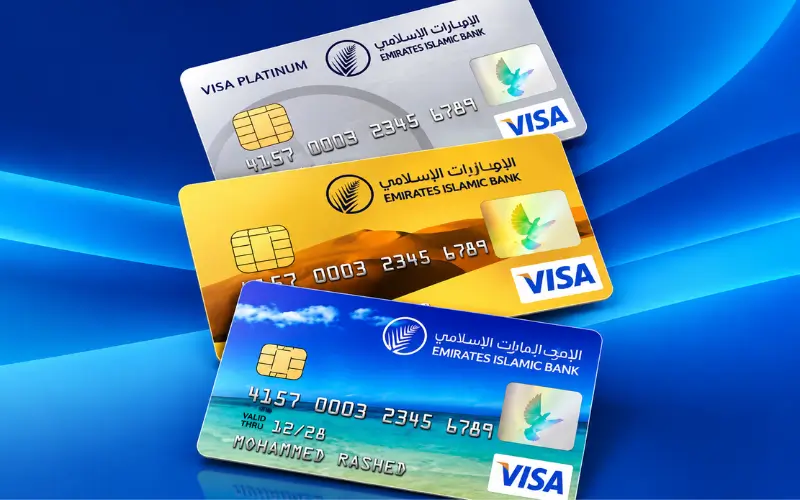
Emirates Islamic provides payroll services to businesses that want to distribute employee salaries electronically. Its payroll card supports cash withdrawals and balance enquiries through participating ATMs.
The provider’s published fee schedule includes charges for certain ATM transactions, card replacement, and foreign currency usage. Check the latest fee schedule before using the card.
Payroll Card Providers Comparison
| Provider | Payroll Card | Main Advantage |
| FAB | Ratibi | Salary access without a bank account |
| Emirates NBD | Salary Prepay | Corporate payroll facilities |
| Al Ansari Exchange | PayPlus | Exchange house services |
| Emirates Islamic | Payroll Card | ATM and balance enquiry facilities |
Availability, eligibility and charges depend on the employer’s arrangement and each provider’s current terms.
Payroll Card UAE: Transaction fees
Payroll card fees vary between providers. Some cards offer free withdrawals through their own ATM networks, while other banks may charge for cash withdrawals, balance enquiries or international transactions.
The following figures come from the Emirates Islamic fee schedule. They serve as examples and do not apply to every UAE payroll card.
| Transaction Type | Charge |
| Own ATM cash withdrawal | AED 0 |
| Other UAE ATM withdrawal | AED 2.10 |
| Other UAE ATM balance enquiry | AED 1.05 |
| GCC ATM withdrawal | AED 6.30 |
| International ATM withdrawal | AED 21 |
| Card replacement | AED 26.25 |
| Foreign currency transaction | 1.50% |
| Monthly maintenance | Depends on provider |
How to Avoid Unnecessary Charges
You can keep transaction costs down by checking your card’s fee schedule and using the facilities it supports.
- Use your card issuer’s ATM network whenever possible.
- Check your balance through the official app if available.
- Review international charges before travelling.
- Keep your card safe to avoid replacement costs.
- Confirm fees before making large withdrawals.
How to Get a Payroll Card in the UAE?
Employees usually receive payroll cards through their employers instead of applying independently. The company chooses a payroll provider, completes its registration, and submits the required employee information.
Once the provider verifies the details, it arranges the card’s issuance and delivery.
Documents Required for a Payroll Card
Requirements differ between banks and exchange houses. A provider may ask for the following documents and information:
| Document or Information | Purpose |
| Emirates ID | Identity verification |
| Passport copy | Personal identification |
| Residency details | Verification where required |
| UAE mobile number | Notifications and verification |
| Employee details | Payroll registration |
Your employer may collect these documents and send them directly to the provider. Ask your HR department which documents you need to submit.
How Employers Register for Payroll Cards
Employers usually contact a participating bank or exchange house to arrange a corporate payroll service. The process involves company registration, submitting employee information, and setting up monthly salary transfers.
Payroll card delivery times vary. The provider’s processing, employer verification, and delivery arrangements all affect how long employees wait for their cards.
How to Check Your Payroll Card Balance?

You can check your available balance through your provider’s mobile app, a supported AM, or customer service. The options available depend on your card issuer.
Mobile app: Sign in to the provider’s official app and open your card or balance enquiry section. Depending on the app, you may also see your transaction history and salary deposits.
ATM: Insert your card, enter your PIN, and select Balance Inquiry. The ATM will show your available balance or print a receipt. Keep in mind that some operators charge a balance enquiry fee.
Customer support: If you cannot use the app or an ATM, contact the provider through the official customer service number supplied with your card. Never share your PIN or OTP with anyone.
How to Withdraw Salary From a Payroll Card?
Most payroll cards let employees withdraw cash from supported ATMs. Some providers also offer cash withdrawal services at their branches.
Follow these steps to withdraw money from an ATM:
- Find an ATM that accepts your card.
- Insert your card and enter your PIN.
- Select Cash Withdrawal.
- Enter the amount you want to withdraw.
- Collect your cash and card.
Check your daily withdrawal limit and any applicable fees before completing the transaction.
Some providers, including Al Ansari Exchange, also offer branch-based withdrawals for eligible PayPlus cardholders. Visit a participating branch and confirm which identification documents you need.
Can You Transfer Money From a Payroll Card?
Transfer options depend on the provider. Some payroll cards support money transfers and remittance services, while others mainly offer ATM withdrawals and payment facilities.
Before sending money, check whether your card supports domestic transfers or international remittances. Also review the transaction limits and applicable charges.
Benefits of Using a Payroll Card in the UAE
Payroll cards give employees a convenient way to receive and access their wages. They also help businesses organise monthly salary payments.
Benefits for Employees
- Convenient salary access: Receive your wages directly on your card.
- No traditional bank account: Certain cards let eligible employees receive salaries without opening a regular bank account.
- ATM withdrawals: Access cash through supported ATMs.
- Shopping payments: Pay at participating shops and retail outlets.
- Transaction records: Check your balance and payment history through supported channels.
- Reduced cash handling: Use your card instead of carrying your entire salary in cash.
Benefits for Employers
Businesses can use payroll cards to organise monthly salary payments, especially when they manage large workforces. Electronic transfers reduce the need to distribute cash and help companies maintain salary payment records.
Some providers also offer corporate portals and reporting facilities that help payroll and HR teams manage their work.
Payroll Card Rules, Limits and Restrictions
Each provider sets its own transaction limits and card conditions. Understand these rules before withdrawing cash, shopping online, or sending money.
- Daily Withdrawal Limit: Check how much cash you can withdraw each day.
- Online Shopping: Make sure your card supports online payments.
- International Transactions: Check the fees for using your card abroad.
- Extra Deposits: Confirm whether you can add money apart from your salary.
- ATM Charges: Check the fees for cash withdrawals.
- Card Replacement: Find out how much a replacement card costs.
- Balance Enquiry: Check whether your provider charges for balance checks.
- Card Expiry: Check when your card expires.
How to Report a Lost or Blocked Payroll Card
If you lose your card, contact the provider immediately and ask them to block it to protect your balance. Use the official customer service channel or the mobile app if your provider offers a card-blocking option.
Follow these steps:
- Contact the card issuer.
- Request an immediate card block.
- Complete the identity verification process.
- Report any transactions you do not recognise.
- Ask about card replacement and applicable fees.
If your salary does not appear on your card, contact your HR or payroll department first. Ask them to confirm the transfer date and payment status. If your employer confirms the transfer, contact the card provider for an update.
For delayed or unpaid wages, employees can contact MOHRE through its official assistance and complaint channels.
Common Limitations of Payroll Cards
Pros of Payroll Cards
- Receive your salary without opening a bank account.
- Withdraw cash from supported ATMs.
- Use your card for everyday shopping.
- Make online payments if your card supports them.
- Check your balance and transactions easily.
- Access your salary without carrying cash.
Cons of Payroll Cards
- Pay fees for certain ATM withdrawals.
- Follow daily cash withdrawal limits.
- Access fewer banking services than a regular bank account.
- Pay extra charges for overseas transactions.
- Face restrictions on adding personal money.
- Pay a replacement fee if you lose your card.
Final Thoughts
A payroll card gives UAE employees a convenient way to receive their monthly wages without necessarily opening a traditional bank account. Options such as FAB Ratibi, Emirates NBD Salary Prepay, and Al Ansari PayPlus offer different salary access and payment facilities.
Before choosing a card, compare its ATM fees, withdrawal limits, payment options, and customer support. Employees should also ask their HR department about eligibility and the payroll provider their company uses.
Read as: Etisalat Quick Recharge UAE: Online Recharge, Steps & Payment Methods
FEWA Quick Pay: Check and Pay Your Bill Online in UAE / ATM Balance Check: Complete Guide to Checking Your Bank Account Balance
Frequently Asked Questions
Which Is the Best Payroll Card in the UAE?
The best option depends on your salary needs and the services you want. FAB Ratibi, Emirates NBD Salary Prepay and Al Ansari PayPlus are options worth comparing. Check their fees, access,s and payment facilities before making a decision.
Can I Get a Payroll Card Without a Bank Account?
Yes. Certain UAE payroll cards let eligible employees receive their salaries without opening a traditional bank account. FAB Ratibi and Emirates NBD Salary Prepay are two examples.
Is a Payroll Card Free in the UAE?
Some providers offer cards without monthly cardholder charges. However, you may still pay fees for ATM withdrawals, replacement cards, and international transactions.
Can I Withdraw My Full Salary?
You can generally withdraw your available balance, subject to your provider’s daily withdrawal limits and transaction rules.
Can I Use My Payroll Card for Online Shopping?
Yes, if your card supports online payments and the issuer has enabled this facility. Check your card’s terms before making a purchase.
What Happens to My Payroll Card If I Change Jobs?
Your previous employer may stop depositing your salary into the card after your employment ends. The card’s continued validity and access to your remaining balance depend on the provider’s terms. Contact the issuer and your new employer to arrange your next salary payment.
Is a Payroll Card the Same as a WPS Card?
No. A payroll card is a payment card that employees use to receive and access their wages. WPS is the UAE’s electronic wage payment and monitoring system. An eligible payroll card can serve as one way to receive a salary through WPS.