





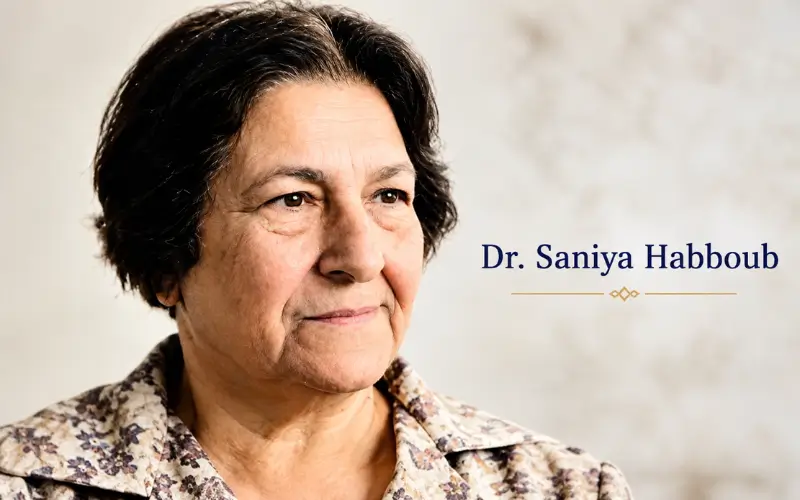
Dr. Saniya Habboub was a pioneering Lebanese physician who broke barriers for women in medicine. Born in Beirut in 1901, she travelled to the United States to study medicine and graduated from the Woman’s Medical College of Pennsylvania in 1931, specialising in gynecology and obstetrics. She returned to Beirut in 1933, opened her own medical practice, and treated women from different backgrounds, including those who could not afford treatment. Alongside her medical work, she supported charitable causes and women’s education. Google recognised her achievements with a Doodle on June 10, 2022, bringing her story to a wider audience.
Who Was Dr. Saniya Habboub?
Dr. Saniya Habboub was a Lebanese physician known for her contribution to women’s healthcare and her determination to pursue medical education when women faced significant barriers to entering the profession.
She travelled abroad to study medicine because she could not follow her preferred medical pathway in Lebanon. After graduating in the United States, she returned to Beirut and established her own practice.
Habboub also cared for women who struggled to afford medical treatment and supported charitable organisations. Her life remains an important part of the history of Arab women in medicine, showing how education and determination can help challenge social barriers.
Overview
The following table summarises the main details of Habboub’s life, education and medical career.
| Detail | Information |
| Full name | Saniya Moustafa Habboub |
| Birth year | 1901 |
| Birthplace | Beirut, Lebanon |
| Nationality | Lebanese |
| Profession | Physician |
| Medical graduation | 1931 |
| Medical college | Medical College of Pennsylvania |
| Medical speciality | Gynecology and obstetrics |
| Medical practice | Bab Idriss, Beirut |
| Major award | Health Medal of Merit, 1982 |
| Google Doodle date | June 10, 2022 |
| Year of death | 1983 |
These details trace her journey from her early education in Beirut to her medical career in Lebanon. Her achievements also highlight the barriers she overcame to become a physician and serve her community.
Early Life and Family Background
Her Childhood in Beirut
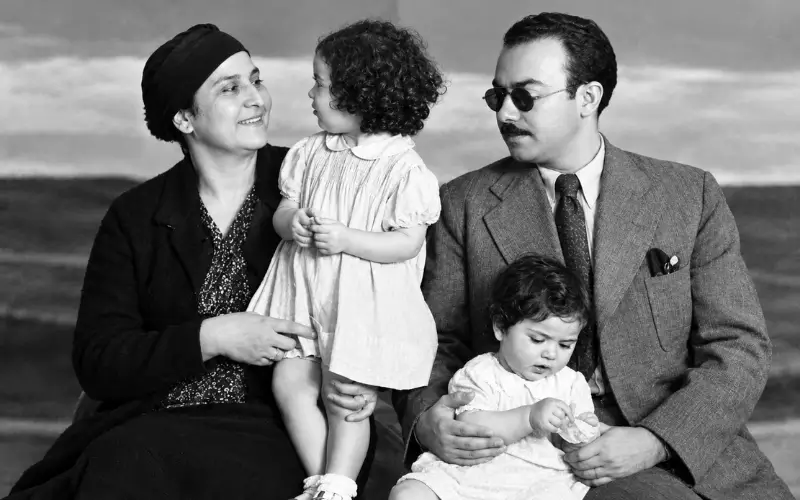
Saniya Habboub was born in Beirut in 1901, at a time when women had limited opportunities to pursue higher education and professional careers.
She continued her studies despite these restrictions and worked towards becoming a doctor. Her early education prepared her for further academic training, but limited access to medical education in Lebanon eventually led her to seek opportunities abroad.
Her decision to pursue medicine challenged the expectations that society placed on women during her youth.
Her Family’s Support for Education
Habboub’s parents were Moustafa Habboub and Adla al-Jazairy. Historical accounts describe her mother as a strong supporter of education, even though she had received little formal schooling herself.
Her family’s encouragement helped her pursue her ambitions despite the social obstacles she faced. Becoming a doctor required academic commitment and the confidence to challenge traditional expectations about women’s roles.
This support helped Habboub continue her education and look for opportunities beyond Lebanon.
Personal Challenges During Her Youth
Habboub faced health and personal difficulties during her early life. Historical accounts report that she contracted typhoid fever at the age of 14 and later developed phlebitis in her left leg, which affected her mobility.
She also experienced personal challenges, including an early marriage that ended in divorce. After returning to Beirut, she resumed her studies and continued working towards her medical ambitions.
These experiences added to the difficulties she faced, but she continued pursuing the education she needed to become a physician.
Dr. Saniya Habboub’s Educational Journey
Education shaped Habboub’s future and gave her the foundation for a career in medicine. She studied in Beirut before travelling to the United States to obtain the medical qualifications she needed.
Studies at the American Junior College
Habboub attended the American Junior College for Women in Beirut during the 1920s. In 1926, she became one of the early students to complete the institution’s sophomore programme.
This achievement marked an important step in her academic journey. The college gave women an opportunity to continue their education at a time when professional pathways remained limited.
After completing her studies there, Habboub continued pursuing her ambition to enter medicine.
Studies at the American University of Beirut
Habboub wanted to study medicine at the American University of Beirut, but women faced restrictions on admission to its medical programme at that time.
These restrictions created a major obstacle for her. Historical accounts also describe the social opposition she encountered as she pursued a career that many people did not expect women to enter.
Rather than abandon her goal, Habboub looked for medical schools abroad that offered women the chance to qualify as doctors.
Why She Travelled to the United States
Habboub learned about medical education in the United States after hearing about a Syrian doctor who had studied there and returned home to establish a medical practice.
She researched this pathway and learned about American medical institutions that accepted women. This gave her a practical way to continue towards her goal.
In 1926, she travelled to the United States to pursue medical education. Leaving Lebanon meant adapting to a different academic and social environment, but she remained committed to becoming a physician.
Medical Degree and Specialised Training
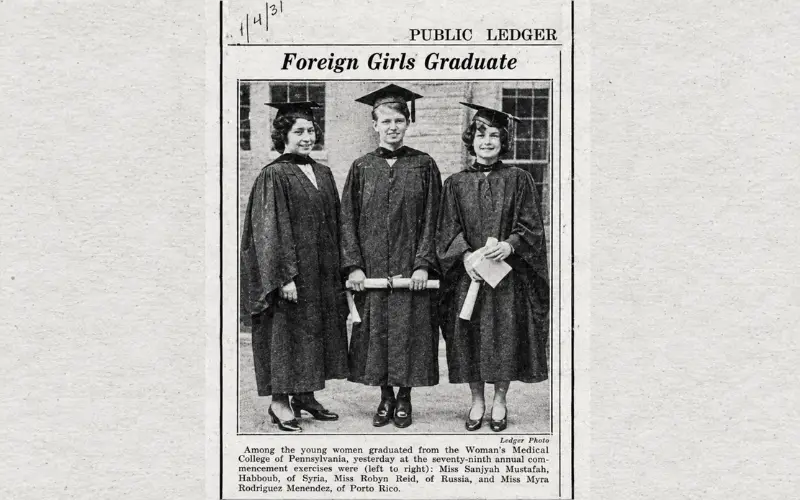
Habboub graduated from the Woman’s Medical College of Pennsylvania on June 10, 1931. She specialised in gynecology and obstetrics, fields that focus on women’s reproductive health, pregnancy and childbirth.
She continued her clinical training before returning to Lebanon. Her education prepared her to establish a medical practice and provide professional healthcare to women in Beirut.
Her graduation marked a major personal achievement. It also showed how she used opportunities abroad to overcome the restrictions that limited women’s access to medical education in Lebanon.
Supporting Future Students Through a Scholarship
Habboub later established a scholarship connected to her former medical institution. She understood the value of education because her own medical training had opened the door to a professional career.
The scholarship allowed her to support future students and extend her contribution beyond her work as a physician. It also reflected her belief in giving others the chance to pursue their ambitions through education.
Her support for students carried forward the same commitment to learning that had shaped her own life.
Dr. Saniya Habboub’s Medical Career in Lebanon
Returning to Beirut in 1933
After completing her medical education and further training, Habboub returned to Beirut in 1933. She chose to use her qualifications in Lebanon rather than build her entire career in the United States.
Her return brought her medical knowledge back to her home community. At a time when women physicians were uncommon, establishing an independent practice required persistence and the ability to earn patients’ trust.
Habboub built her career around treating patients and meeting women’s healthcare needs in Beirut.
Opening Her Clinic in Bab Idriss
Habboub opened her medical practice in Bab Idriss, a neighbourhood in Beirut. The clinic became the centre of her professional life and allowed her to treat women in her home country.
She faced social attitudes that made it difficult for women to enter professional roles. Some people questioned the idea of a woman practising medicine independently, but she continued treating patients and establishing her reputation.
Her work showed that women could build successful medical careers and serve their communities through professional knowledge and dedication.
Her Work in Women’s Healthcare
Habboub specialised in gynecology and obstetrics, which focus on women’s reproductive health and medical care related to pregnancy and childbirth.
Her training allowed her to provide professional care to women who needed medical attention. By practising in Beirut, she also challenged assumptions about women’s ability to work as doctors.
Her career helped make women’s participation in medicine more visible during a period when access to professional education remained unequal.
Providing Medical Care to Underprivileged Patients
Habboub also cared for patients who could not afford private medical treatment. Historical accounts describe her providing free services to underprivileged women and visiting patients at home when necessary.
These efforts helped women who might otherwise have struggled to access medical care. Her work reflected a commitment to treating patients according to their needs rather than their financial circumstances.
She combined medical knowledge with compassion and a strong sense of responsibility towards her community.
Challenges of Being a Woman Physician
Habboub entered medicine when social expectations often restricted women’s professional choices. Women doctors were uncommon, and some people questioned their ability to practise independently.
She continued her work and demonstrated her skills through patient care. Over time, her dedication helped her establish herself as a physician in Beirut.
Her career shows how education, professional ability and persistence can challenge traditional expectations and create opportunities for other women.
Humanitarian Work and Community Service
Habboub’s contribution to Lebanon extended beyond her medical practice. She supported charitable and humanitarian organisations that worked in healthcare, education, and community welfare.
Her Involvement With the Lebanese Red Cross
Historical accounts associate Habboub with the founding of the Lebanese Red Cross Association. Her involvement reflected her interest in helping people who needed medical and humanitarian assistance.
Her medical experience complemented the work of organisations that supported communities during difficult circumstances. Through this involvement, she contributed to a wider effort to help people beyond the patients who visited her clinic.
Supporting Orphans and Young Women
Habboub also supported organisations such as the Muslim Orphans’ Home and the Young Women’s Muslim Association. These organisations helped people who needed social assistance and community support.
Her involvement reflected a concern for people facing financial or social difficulties. She recognised that charitable institutions could help vulnerable communities access services and opportunities that they might otherwise lack.
Service at Maqassed Hospital
Historical accounts report that Habboub served on the board of Maqassed Hospital. She also worked as a school doctor at the American School for Girls, where she had previously studied.
These roles connected her medical experience with healthcare and education. They also allowed her to contribute to institutions that served the wider community, extending her work beyond her private practice.
Her humanitarian activities remain an important part of her story because they show how she used her knowledge and experience to help others.
Major Achievements, Awards and Recognition
Habboub earned her medical qualification in the United States, established an independent practice in Beirut, and supported charitable organisations. Her career challenged barriers that limited women’s access to education and professional work.
Her contribution later received recognition in Lebanon and attracted international attention.
Lebanon’s Health Medal of Merit in 1982
In 1982, the Lebanese government awarded Habboub the Health Medal of Merit in recognition of her medical service.
The award recognised her years of work as a physician and her contribution to healthcare in Lebanon. After studying abroad, she returned to Beirut and continued treating patients while supporting her community.
This honour marked an important milestone in the recognition of her professional achievements.
A Street Named in Her Honour
A street in Beirut bears Habboub’s name, keeping her contribution visible in the city where she was born and built her medical career.
This recognition helps preserve her place in Lebanon’s history. Her story also highlights the achievements of Lebanese women who challenged traditional barriers and pursued professional careers.
Recognition Beyond Lebanon
Google brought renewed international attention to Habboub’s life in 2022 by featuring her in a Doodle.
The tribute highlighted her medical education and the obstacles she overcame to become a physician. It also introduced her achievements to a wider audience and recognised her place in the history of women in medicine.
Why Did Google Honour Dr. Saniya Habboub?
Google honoured Habboub for her pioneering medical career and her contribution to women’s history. She pursued medical training despite restrictions, returned to Lebanon, and used her qualifications to care for patients in Beirut.
Her story shows how education can shape a person’s career and create opportunities to serve a wider community.
Google Doodle of June 10, 2022
Google featured Habboub in a Doodle on June 10, 2022, marking the anniversary of her medical graduation in 1931.
The tribute highlighted a major milestone in her life and brought attention to her achievements as a Lebanese woman physician. It also helped more people learn about her efforts to overcome barriers to medical education.
The Importance of Her Medical Graduation
Habboub’s graduation gave her the qualifications she needed to pursue her chosen profession. It also marked a personal achievement at a time when women faced significant restrictions on access to medical training.
After graduating, she returned to Lebanon and established her practice in Beirut. Her decision to use her education to help women in her community made the achievement even more meaningful.
How Her Story Inspires Future Generations
Habboub’s journey offers lessons for students and professionals who face obstacles while pursuing their goals.
She continued her education when local opportunities proved limited and found another way to enter medicine. Her life also shows that professional success can have a wider impact when people use their knowledge and skills to support others.
Was Dr. Saniya Habboub Connected to the UAE?
Dr. Saniya Habboub’s documented medical career centred on Beirut, Lebanon. She studied in Lebanon and the United States before returning to Beirut to establish her medical practice.
Available historical biographies do not establish that she practised medicine in Dubai or elsewhere in the United Arab Emirates. It would therefore be inaccurate to describe her as a UAE-based physician.
Her story may still interest readers in the UAE because it forms part of the wider history of Arab women in education, healthcare and community service. For a UAE-focused website, this distinction keeps the information accurate without suggesting a connection that historical biographies do not confirm.
Dr. Saniya Habboub’s Final Years and Lasting Legacy
Habboub retired from medical practice in 1965 after decades of service. Historical accounts also report that her clinic was looted during Lebanon’s civil war in 1975, resulting in the loss of personal and professional belongings.
She died in September 1983 at the age of 82. Her life left a record of educational achievement, medical service, and humanitarian involvement.
Habboub’s legacy extends beyond her medical degree and public recognition. She pursued professional training despite social restrictions, established an independent career,r and used her knowledge to help women in her community. Her journey continues to show how education, determination, and compassion can help people overcome barriers and contribute to society.
Life Lessons From Dr. Saniya Habboub’s Journey
- Value education: Keep learning and improving your skills.
- Stay determined: Face obstacles with courage and persistence.
- Help others: Treat people with kindness and compassion.
- Support equality: Encourage equal educational opportunities for women.
- Make a difference: Use your knowledge and skills to serve your community.
Final Through
Dr. Saniya Habboub’s life reflects courage, perseverance,e and a commitment to helping others. As one of Lebanon’s pioneering female physicians, she challenged social barriers, built a medical career, and provided healthcare to women who needed it. Her support for charitable organisations and education extended her contribution beyond her clinic. Her journey reminds students that education, determination, and compassion can help people overcome obstacles and make a lasting difference in society.
Frequently Asked Questions
Who was Dr. Saniya Habboub?
Dr. Saniya Habboub was a pioneering Lebanese physician who graduated from the Woman’s Medical College of Pennsylvania in 1931 and later established a medical practice in Beirut.
When and where was Dr. Saniya Habboub born?
She was born in Beirut, Lebanon, in 1901.
Where did Dr. Saniya Habboub study medicine?
She studied at the Woman’s Medical College of Pennsylvania in the United States and graduated in 1931.
What was Dr. Saniya Habboub’s speciality?
She specialised in gynecology and obstetrics, two fields concerned with women’s reproductive health, pregnancy and childbirth.
Where did Dr. Saniya Habboub practise medicine?
She established her medical practice in Bab Idriss, Beirut, Lebanon, after returning from the United States in 1933.
Did Dr. Saniya Habboub provide free medical care?
Yes. Historical accounts describe her providing free medical services to underprivileged women and visiting patients at home when necessary.
What award did Dr. Saniya Habboub receive?
The Lebanese government awarded her the Health Medal of Merit in 1982 in recognition of her medical service.
When did Google feature Dr. Saniya Habboub?
Google featured her in a Doodle on June 10, 2022, commemorating the anniversary of her medical graduation in 1931.
Was Dr. Saniya Habboub a doctor in Dubai?
Her documented medical career centred on Beirut, Lebanon. Available historical biographies do not establish that she practised in Dubai or elsewhere in the UAE.
When did Dr. Saniya Habboub die?
She died in September 1983 at the age of 82.
Why is Dr. Saniya Habboub remembered today?
She is remembered for overcoming barriers to medical education, treating women in Beirut, and supporting humanitarian organisations and educational opportunities.
What made her career significant?
Her career was significant because she pursued medical education abroad when women faced substantial restrictions, then returned to Lebanon to establish a medical practice and serve her community.